How to Adapt Your Digital Marketing Strategy for Seasonal Changes


Understanding Seasonal Trends
Adapting your digital marketing strategy to seasonal changes is crucial for maximizing engagement and sales. Seasonal trends can significantly influence consumer behavior, making it essential to align your marketing efforts accordingly. By understanding these trends, you can create timely and relevant campaigns that resonate with your audience.
Start by analyzing past performance data to identify patterns and shifts in consumer behavior. Look at which products or services were most popular during certain times of the year and how your audience's needs changed. This analysis will provide insight into how to adjust your strategy effectively.

Planning Your Seasonal Marketing Campaigns
Once you understand the trends, it's time to plan your seasonal marketing campaigns. Begin by setting clear objectives for what you want to achieve during the season. Whether it's increasing brand awareness, boosting sales, or launching a new product, having a clear goal will guide your strategy.
Create a content calendar that outlines key dates and events for the season. This calendar should include all planned promotions, social media posts, and email marketing campaigns. By organizing your efforts, you can ensure a cohesive and well-timed approach that maximizes impact.

Utilizing Social Media
Social media is a powerful tool for engaging with your audience during seasonal changes. Tailor your content to reflect the season, using relevant themes, hashtags, and visuals. Interactive content, such as polls and contests, can also increase engagement and drive traffic to your website.
- Update your social media profiles with seasonal visuals.
- Use seasonal hashtags to increase reach.
- Create engaging content that encourages user interaction.

Optimizing Your Website for Seasonal Traffic
Your website should be optimized to handle increased traffic during peak seasons. Ensure your site is mobile-friendly, as many consumers will likely browse and shop using their smartphones. Fast loading times are also crucial to prevent potential customers from leaving your site out of frustration.
Consider updating your website's visuals and content to reflect the season. This can include banners, product highlights, and special offers. A seasonally themed website can enhance the user experience and encourage visitors to explore your offerings further.
Leveraging Email Marketing
Email marketing remains one of the most effective ways to communicate with your audience during seasonal changes. Craft personalized and relevant messages that cater to your subscriber's interests and needs. Segment your email list to target specific groups with tailored content.
Include exclusive offers and promotions in your emails to incentivize purchases. Highlight limited-time deals to create a sense of urgency and encourage immediate action.
Measuring and Analyzing Results
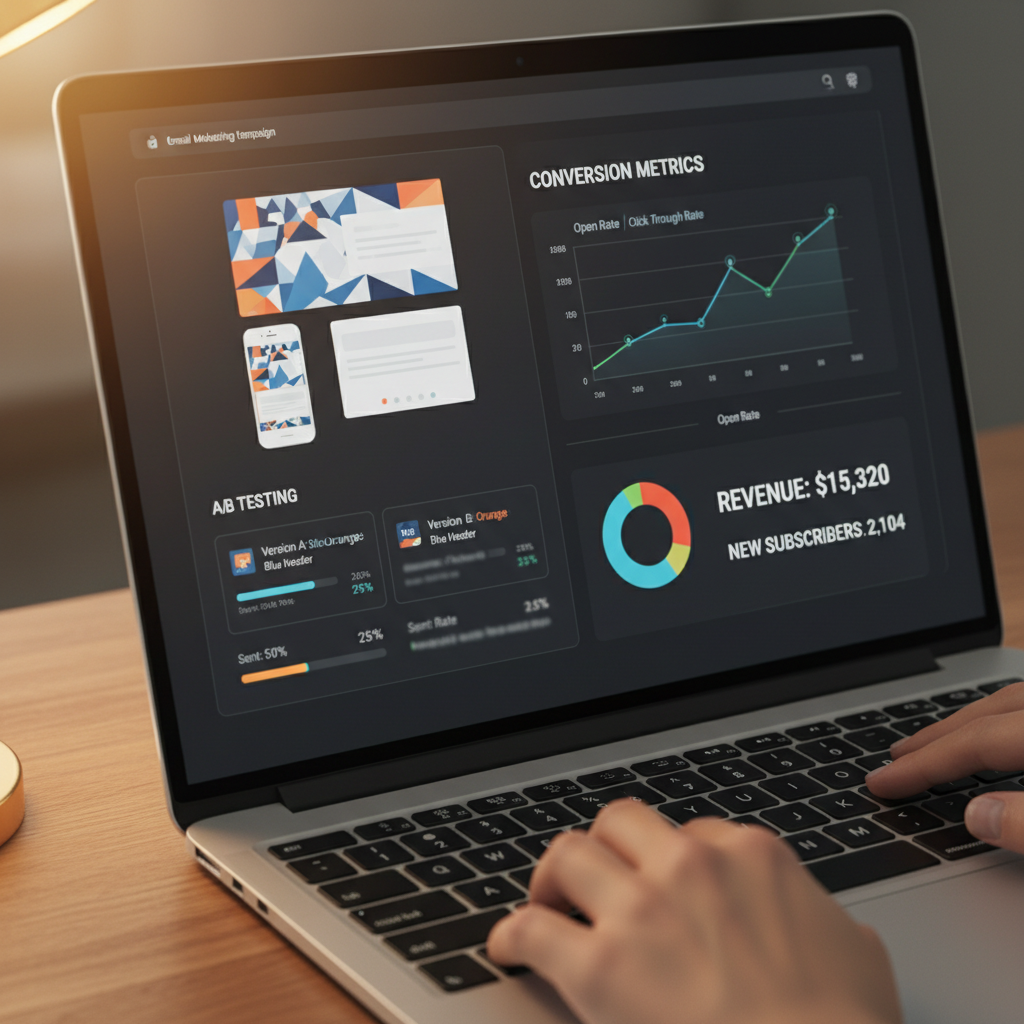
After implementing your seasonal marketing strategy, it's essential to measure and analyze the results. Use analytics tools to track the performance of your campaigns, identifying what worked well and what could be improved.
Pay attention to key metrics such as engagement rates, conversion rates, and return on investment. This data will provide valuable insights into the effectiveness of your strategy and help you refine your approach for future seasonal campaigns.
By adapting your digital marketing strategy for seasonal changes, you can ensure your business remains relevant and competitive throughout the year. Stay proactive and responsive to trends to make the most of every opportunity.