A Beginner’s Guide to Understanding SEO in Digital Marketing


What is SEO?
Search Engine Optimization (SEO) is a critical component of digital marketing that involves optimizing your website to rank higher in search engine results pages (SERPs). The primary goal is to increase visibility and drive organic traffic to your site. SEO encompasses various strategies and techniques that help improve your site's relevance and authority.

Why is SEO Important?
SEO is essential because it enhances the visibility of your website, making it easier for potential customers to find you. Higher visibility means more traffic, and more traffic can lead to increased sales and growth for your business. In the digital age, having a robust online presence is crucial, and SEO plays a significant part in achieving that.
Key Components of SEO
SEO can be broken down into several key components, each playing a vital role in your overall strategy. Understanding these components can help you develop a more effective SEO plan.
On-Page SEO
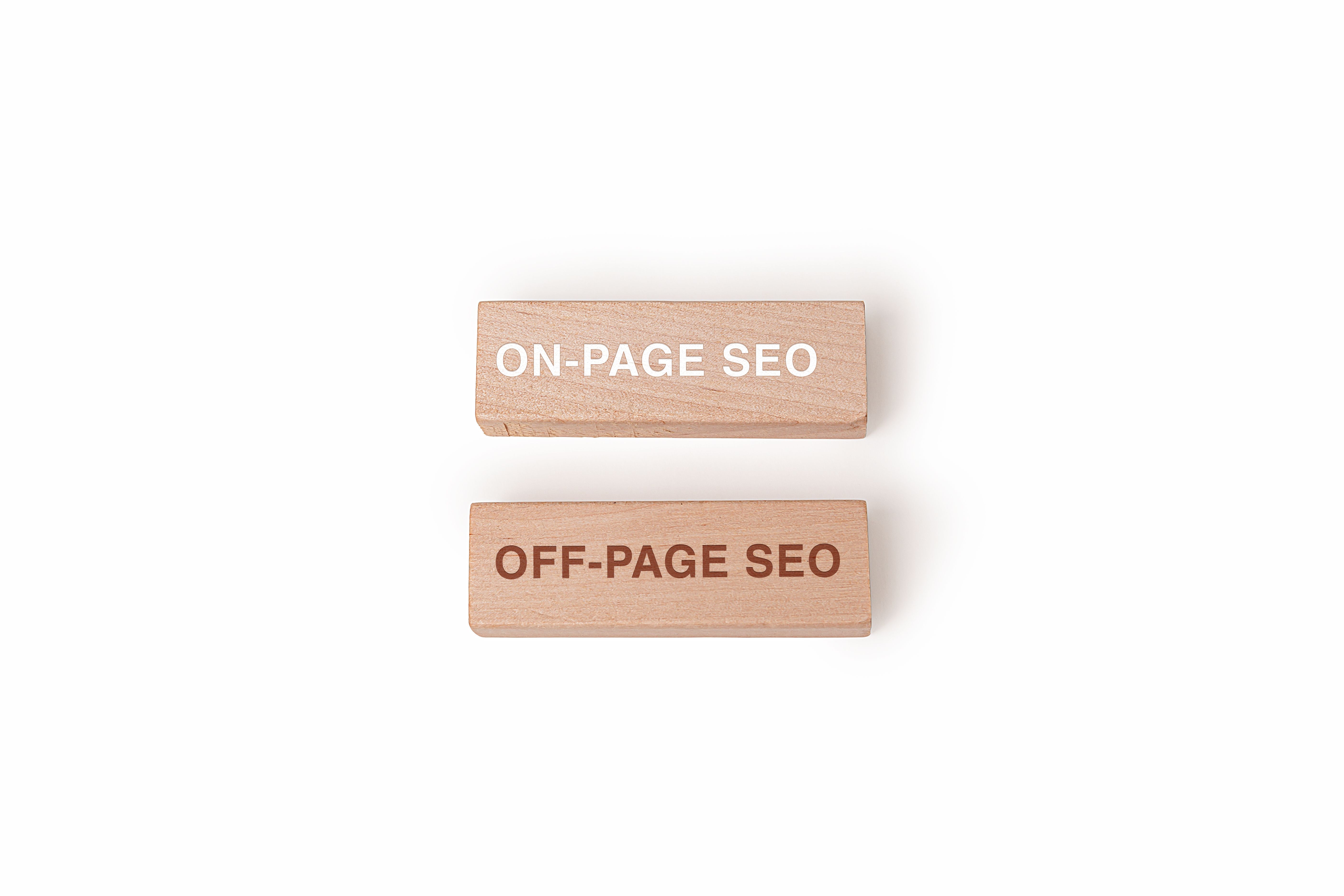
On-page SEO refers to the optimization of elements within your website. This includes using relevant keywords, creating high-quality content, and ensuring your website's structure is easy to navigate. Effective on-page SEO ensures that search engines understand the content of your pages.
Off-Page SEO
Off-page SEO focuses on the actions taken outside your website to improve its ranking. This includes building backlinks, which are links from other reputable sites pointing to your site. Backlinks are crucial because they signal to search engines that your site is credible and trustworthy.
Technical SEO
Technical SEO involves optimizing the backend of your website to ensure that search engines can crawl and index your pages efficiently. This includes improving site speed, mobile-friendliness, and security. A technically sound website provides a better user experience and is more likely to rank well in search results.

Keyword Research
Keyword research is the process of identifying the words and phrases that your target audience is searching for. Using the right keywords throughout your content helps ensure that your site appears in relevant searches. Tools like Google Keyword Planner can assist in finding the best keywords to target.
Measuring SEO Success
It’s important to track the performance of your SEO efforts. Tools like Google Analytics and Google Search Console can provide insights into your site's traffic, ranking, and overall performance. Regularly analyzing this data helps you refine your strategy and continue to improve your search engine rankings.

In conclusion, understanding SEO and implementing effective strategies is crucial for any business looking to succeed online. By focusing on on-page, off-page, and technical SEO, along with thorough keyword research, you can enhance your digital presence and drive significant organic traffic to your site.