10 Common Misconceptions About Digital Marketing Debunked


Understanding Digital Marketing
Digital marketing is a crucial component for businesses today, but it is often misunderstood. These misconceptions can lead to ineffective strategies and missed opportunities. In this post, we'll debunk ten common myths surrounding digital marketing.

Misconception 1: Digital Marketing Is Only for Big Businesses
Many believe that digital marketing is only beneficial for large corporations with substantial budgets. However, small and medium-sized businesses can significantly benefit from it by utilizing targeted strategies that reach their specific audience.
Misconception 2: Social Media Is the Only Important Channel
While social media is a powerful tool, it is not the only channel available. Email marketing, content marketing, and search engine optimization (SEO) are equally important in a well-rounded digital marketing strategy.
SEO and Content
Some misconceptions specifically target search engine optimization and content marketing. These are crucial areas that need clarification.
Misconception 3: SEO Is a One-Time Task
SEO is often perceived as a one-time setup. In reality, it requires continuous effort and adaptation to search engine algorithm changes and evolving user behaviors.
Misconception 4: Content Quantity Over Quality
Another misconception is that pumping out a large volume of content will lead to success. Quality content that provides value and relevance to the audience is far more effective than mere quantity.
Paid Advertising and ROI
When it comes to paid advertising and measuring return on investment (ROI), misconceptions can lead to inefficient spending.
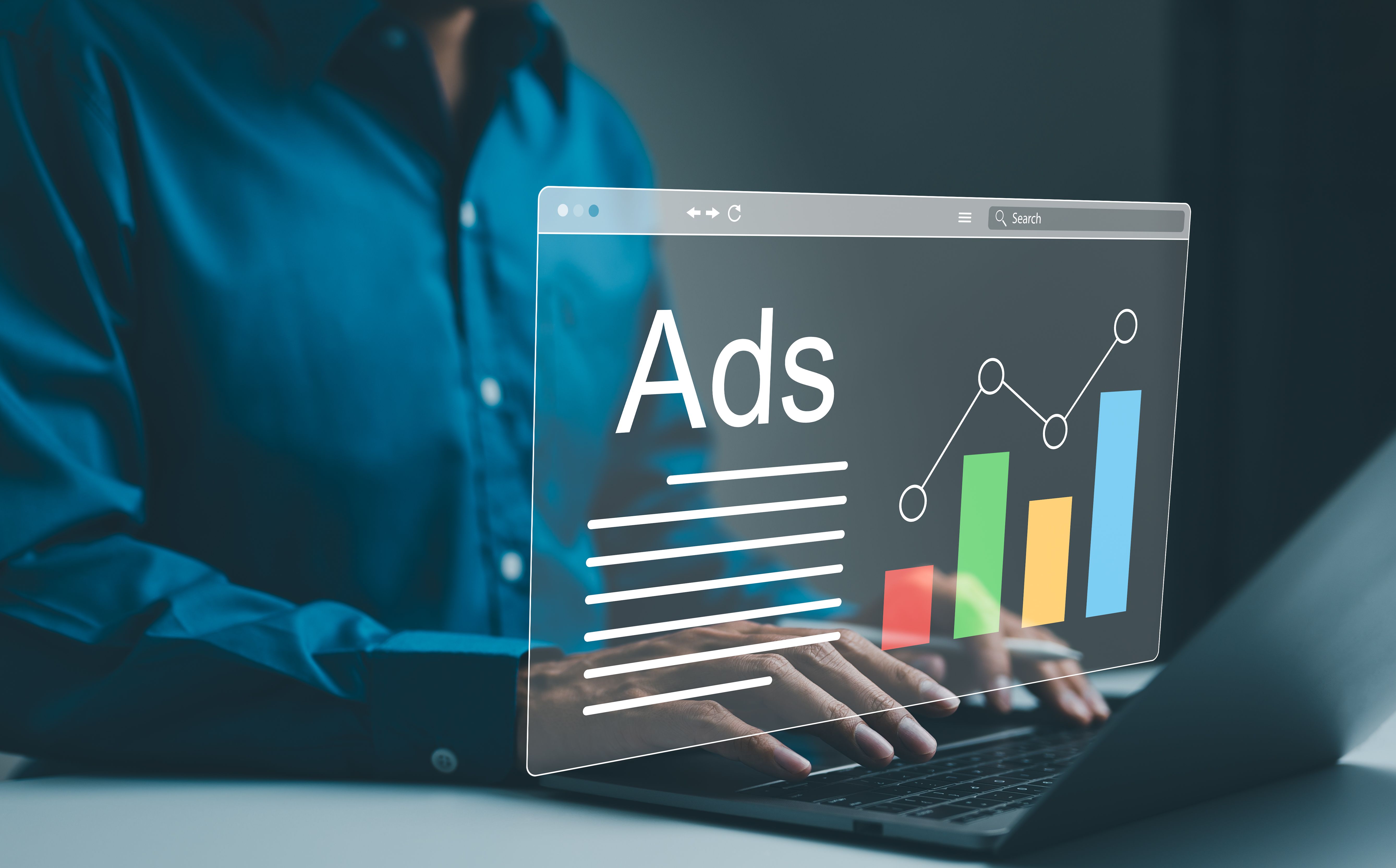
Misconception 5: Paid Ads Guarantee Instant Results
Many think that launching a paid ad campaign will immediately boost sales. While paid ads can increase visibility, achieving results often requires time, testing, and optimization.
Misconception 6: Digital Marketing ROI Is Hard to Measure
Contrary to popular belief, digital marketing ROI can be measured accurately. Tools like Google Analytics provide detailed insights into campaign performance, allowing businesses to track and optimize their investments.
Targeting and Engagement
Misunderstandings about targeting and engagement can prevent businesses from effectively reaching their audience.

Misconception 7: More Traffic Equals More Success
Driving traffic to your website is important, but it doesn't automatically translate to success. It's crucial to attract targeted traffic that is likely to convert into leads or sales.
Misconception 8: Engagement Means Likes and Shares
While likes and shares are indicators of engagement, they don't tell the whole story. True engagement involves meaningful interactions that lead to building relationships with the audience.
Final Thoughts
By understanding and debunking these misconceptions, businesses can develop more effective digital marketing strategies. It's essential to stay informed and adaptable in the ever-changing digital landscape.
By avoiding these myths, businesses can focus on what truly matters: creating value and building lasting relationships with their audience.